
Choose a Photographer Videographer: One Pro or Two?
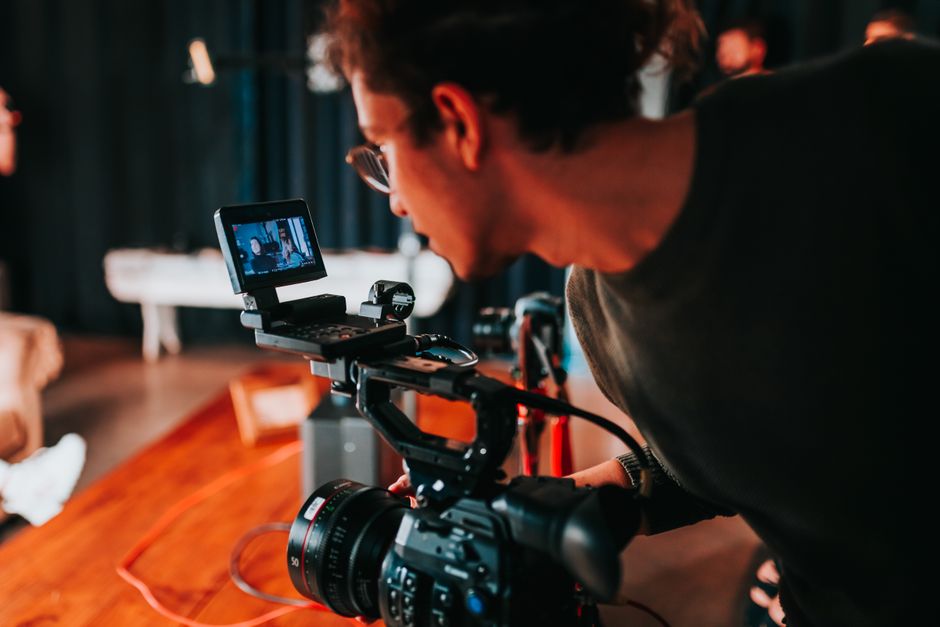
A photographer videographer suits a wedding with a clear priority list, one main viewpoint at a time, and a portfolio that proves strength in both formats. Hire separate specialists when key events happen simultaneously or you want dedicated photo and video coverage. Compare complete deliverables, hours, team size, editing, audio, and coordination—not a bundle label or headline price.
Should I hire one photographer videographer or book two separate professionals?
Hire one photographer videographer when a single provider can cover your priorities without being pulled between simultaneous moments. Book separate specialists when photography and video both need dedicated attention, especially during events happening at once.
The difference is not simply the number of people. It is how much coverage each important moment needs, and whether one person can deliver the stills and moving footage you value. If preparations happen in different places at the same time, or one moment calls for a close photo while another needs continuous video, a solo provider must choose where to be and what to capture.
A coordinated team divides those tasks, but adds a coordination question: who stands where, and how do they avoid blocking one another? The Knot recommends asking whether the videographer has worked with the photographer and how the teams will share the event and position themselves. That conversation belongs before booking, not during the ceremony.
Use the actual schedule to decide. Mark simultaneous moments, identify which need both photo and video, and ask a solo provider to explain the coverage plan. If the answer depends on missing one of those moments, separate specialists—or an additional shooter—fit the brief better.
Can one person realistically take photos and video during the same wedding moments?
One person can deliver both formats across a wedding, but cannot independently capture every angle in stills and video at the same instant. The practical question is whether the provider’s coverage plan matches your priorities and schedule.
Ask how the provider handles moments that call for different kinds of attention. A photograph captures a chosen instant; video records movement and sound across time. A solo hybrid has to make those demands work within one person’s position and attention. A second shooter or a separate specialist can widen coverage, and The Knot notes that videographers may suggest a second shooter to capture more of an event.
Evaluate the work in full. The Knot advises couples to view examples of each film type offered, including full-length films as well as short previews, to judge editing and coverage. Apply the same care to photos: request a complete gallery, not only selected portfolio images. Promotional excerpts show a provider’s strongest moments; complete work reveals how coverage holds across a whole event.
Then ask who will do the work. A combined company can still assign different people to photography and video; a solo provider may handle both personally. Confirm the staffing, hours, and deliverables in writing. For video, ask about camera, lighting, and sound equipment, including the ceremony microphone. Audio capture is part of the deliverable, not a detail to leave implicit.
Will a combined photo and video package cost less than hiring separate specialists?
A combined package can reduce costs, but the sources do not establish a standard saving or a guaranteed bundle price. Compare what each quote includes before deciding whether a package costs less for equivalent coverage.
The Knot’s 2025 Real Weddings Study, covering 10,474 U.S. couples married during 2025, reports average wedding photography spending of $3,000, with lower, median, and upper quartiles of $1,500, $2,800, and $4,700. For videography, it reports an average of $2,300 and quartiles of $1,000, $1,900, and $3,300. These are separate-service survey reference points, not the price of a combined package or a forecast for a particular wedding.
Other estimates differ. Zola reports a national average videography cost of $3,993, with most couples spending $3,200–$4,800. Its city averages range from $6,091 in San Francisco to $3,005 in Salt Lake City. These figures use a different published estimate from The Knot’s study, so they should not be treated as directly interchangeable. Both sources point to location and package scope as relevant price factors.
Coverage hours, additional shooters, package contents, editing, and postproduction shape the comparison. The Knot also identifies wedding size, travel fees, and the number of photographers as photography cost factors. Zola describes basic video options with 4–6 hours, one videographer, and a highlight reel; premium packages can include multiple videographers and all-day coverage. The label “combined” does not say which of these are included.
| Option | Who it suits | Cost reference | Key limitation |
|---|---|---|---|
| One hybrid provider | Couples with a clear priority list and coverage needs one person can meet | Combined-package price: not published | One person cannot cover simultaneous moments from different positions |
| Separate photographer and videographer | Couples seeking dedicated photo and video coverage | The Knot 2025 averages: $3,000 photography and $2,300 videography; combined total not published | Teams need to coordinate positions and share the event |
| Separate specialists with added shooters | Couples who need broader event coverage or additional viewpoints | Added-shooter price: not published | Extra staff and coverage affect price; exact cost depends on package |
Build a like-for-like comparison: hours, number of shooters, deliverables, editing, raw footage, travel, and any extra coverage. The Knot notes that video contracts should confirm what film lengths and raw footage will be delivered. A lower quote with fewer hours or fewer deliverables is not the same service at a better price.
Frequently Asked Questions
What coverage or shots might I miss with a single photographer videographer?
One person cannot be in two places at once or give equal attention to stills and video at the same instant. Simultaneous preparations, reactions, or events can require a second shooter or separate specialists; ask which moments the provider will prioritize.
How can I tell whether a combined provider is skilled at both photography and video?
Review complete photo galleries and examples of each film type offered, including full-length films rather than only short previews. Compare coverage and editing quality in each format, then confirm the named person or team will deliver the work shown.
What should I ask before booking a photographer and videographer for my wedding?
Ask about coverage hours, shooters, deliverables, editing, raw footage, and the contract. Confirm how the team coordinates positions with each other and other vendors, what camera, lighting, and sound equipment they use, how ceremony audio is captured, and what backup plan applies.
Sources
Related reading

Best Record Sleeves: Choose the Right Fit and Protection
The best record sleeves pair a soft polyethylene inner sleeve with a stable, well-fitting outer sleeve.
Sell Record Albums for More: Price, Grade, and Choose the Right Route
A practical guide to pricing, grading, and choosing individual listings, local shops, or bulk sales for vinyl records.

Choose the Right AI App Builder for Your First MVP
A practical framework for choosing Lovable, Bolt, Replit, or v0 for a prototype, web MVP, native mobile app, or developer handoff.

Who Sings the Song in the Toyota Corolla Commercial?
A practical way to identify commercial music when Shazam fails, from clean audio checks to campaign credits and ad databases.