
Sell Record Albums for More: Price, Grade, and Choose the Right Route
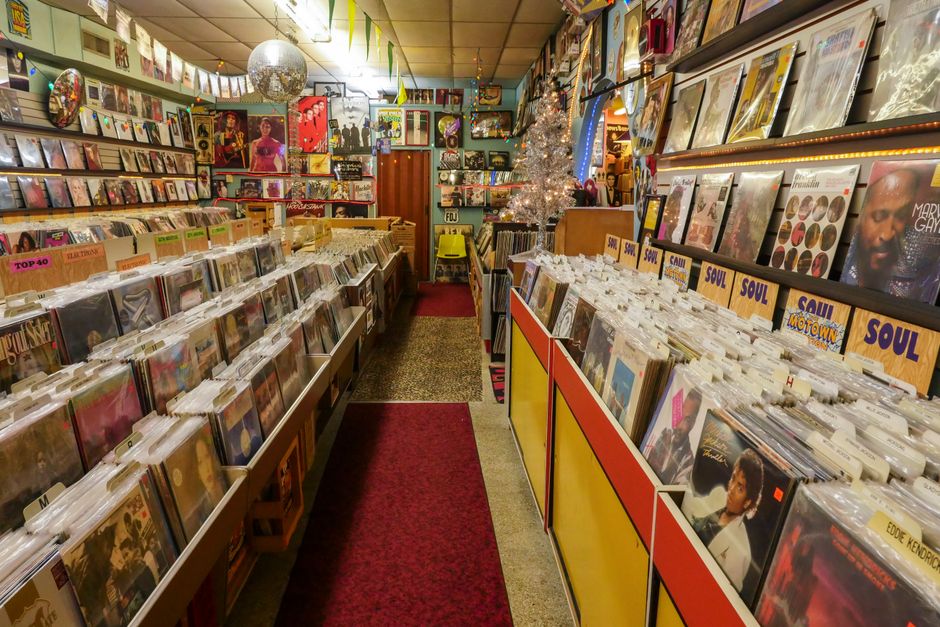
Sell scarce, clean, correctly identified records one at a time online when the added work earns its keep; use a local shop, fair, or collection buyer when speed matters more than maximum return. Price the exact release from completed sales, grade the vinyl and sleeve separately, and calculate fees and packed shipping before choosing the route.
What is the best way to sell a vinyl record collection?
The best route is a split route: list records with clear individual demand, then move the remaining common titles as a group if the work of separate listings exceeds the likely return.
A record collection is not one product. It is a stack of exact releases, each with its own condition, sales record, and selling burden. A common album in worn condition does not become valuable because it sits beside a scarce pressing in clean condition.
Start with identification. Discogs requires a seller to match the physical copy to the exact database release before listing. That detail changes the price. A title, artist, or album cover alone does not settle the question when multiple pressings exist.
Then divide the stack into two piles. The first contains releases with completed-sale data and condition that supports an individual listing. The second contains records where the expected return does not repay the work of matching, grading, packing, and sending separate orders.
This is a time-versus-return decision. Individual selling is price discovery. Bulk selling is speed.
There is no published, source-backed rule for what a local shop, record fair, or whole-collection buyer pays. Do not invent one. Ask for an offer, then compare it with the net result of the individual records you are prepared to list.
| Option | Who it suits | Published cost | Key limitation |
|---|---|---|---|
| Individual Discogs listings | Sellers able to match each physical copy to an exact release and grade it | Listing is free; Discogs charges 9% on the item price and shipping when it sells | Seller must identify the exact release and handle listing, grading, packing, and shipping |
| Local record store | not published | not published | not published |
| Record fair | not published | not published | not published |
| Whole-collection buyer | not published | not published | not published |
The table has a blunt lesson. Published evidence supports the mechanics of Discogs. It does not publish a universal formula for in-person or bulk offers. Treat each offer as a trade between money and labor, not as proof that one route is always better.
Should I sell my records on Discogs or to a local record store?
Use Discogs when you can identify and grade a record accurately, price it from completed sales, and accept the work and transaction costs; use a local store when an immediate single handoff outweighs those tasks.
Discogs has a useful advantage: its Sales History shows the last 30 prices for a sold release and calculates low, median, and high values from those sales. That is evidence. An unsold asking price is a wish.
Check sales history only after matching the exact pressing. Compare sold copies in similar media and sleeve condition. A high sale for a clean copy does not price a worn copy. A sale for another release does not price yours.
Discogs says a listing is free, then collects a 9% fee when an item sells. The fee applies to the record price and shipping cost. The sale price is not the amount kept.
Postage also belongs in the decision. The United States Postal Service classifies sound recordings as eligible Media Mail content, and charges by each pound or fraction of a pound. Weigh the packed order. A fraction counts as a whole pound.
There is one more cost: trust. A buyer expects the listed pressing and the listed grade. Discogs says listings generally appear in browse and search within 5 to 10 minutes, but visibility does not erase the seller's duty to describe the copy plainly.
Vinyl demand is real, not a guarantee. The RIAA reports U.S. vinyl revenue of $1.4429 billion in 2024, with 43.6 million LP/EP units shipped. A growing format does not turn every album into a scarce record.
How do I price old record albums for sale?
Price old albums from completed sales for the exact release and the honest condition of both the record and sleeve, then subtract the published fee and shipping burden before deciding whether to list.
Discogs makes this sequence practical. Find the exact release. Open its sales history. Read the low, median, and high values from the 30 most recent sales. Check the condition of the copies behind those numbers when available. Then grade your own copy before selecting a price.
Condition drives the gap. Under Discogs grading guidance, a VG+ record is generally worth 50% of Near Mint value. A VG record is generally worth 25%. A Good or Good Plus copy is generally worth 10% to 15%, provided it plays through without skipping despite significant noise, scratches, and groove wear.
Grade the media and sleeve separately. A clean record can sit in a worn cover. A sharp cover can hold a noisy record. Write both grades down before looking at the price field.
Use a strict inspection routine:
- Match labels, catalog details, barcode, and other release markers to the exact database entry.
- Inspect the vinyl surface and the sleeve for the defects named in the grading standard.
- Check playback when condition calls for it, especially where scratches, noise, or warps affect the record.
- Choose the lower defensible grade, then compare it with similar sold copies.
- Set the price after accounting for the 9% Discogs fee and the weight of the packed shipment.
Goldmine Magazine makes the seller's rule plain: grade conservatively. It also estimates that only 2% to 4% of surviving records from the 1950s and 1960s are truly Near Mint. Near Mint is a condition claim, not a hopeful label.
Pricing is not prediction. It is a record of what comparable copies sold for, reduced by the costs of making your own sale happen.
Frequently Asked Questions
How much less will a record store pay for my collection?
The provided sources publish no standard percentage or formula for local record-store offers. Compare the offer against the time, fees, packing, postage, and condition work required for individual online sales; an immediate sale and a maximum sale are different products.
Should I sell valuable records individually and the rest as a lot?
Yes, separate records whose exact release has meaningful completed-sale evidence from the titles that do not justify individual listing work. Discogs lets sellers identify a release and inspect the 30 most recent sale prices, while its 9% fee applies to both the item and shipping on each completed order.
How do I grade records accurately before selling them online?
Grade the vinyl and sleeve as separate items under the Goldmine-based Discogs standard. Inspect the record in bright light, assess playback where needed, record visible and audible flaws, and choose the lower honest grade when uncertain; Discogs and Goldmine both favor conservative grading.