
Which Fruits Support Brain Health Without Overpromising Memory Benefits?
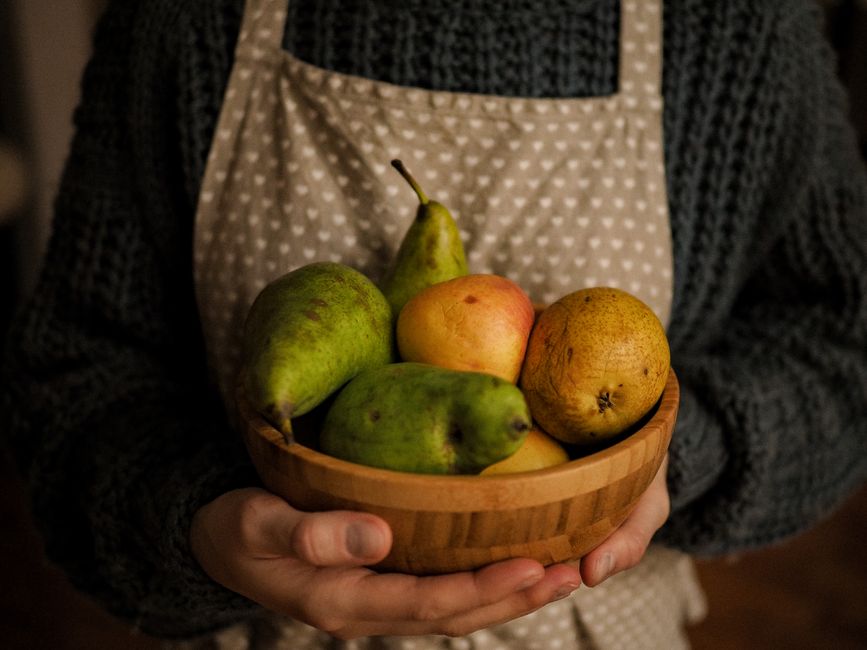
Berries are a sensible fruit choice within a brain-healthy eating pattern, but no fruit has been shown to prevent memory loss or Alzheimer’s disease. Build meals around a varied mix of whole fruit, vegetables, whole grains, lean proteins, and unsaturated fats; choose berries often, use frozen or no-added-sugar canned options when practical, and treat dramatic memory claims as a warning sign.
Are blueberries really good for memory?
Blueberries can support a sensible brain-health routine, but they are not a memory-loss treatment. The useful distinction is between a measured test result and a sweeping promise: small trials found improvements in some cognitive tasks, not proof that blueberries stop dementia or restore memory.
In a 2017 European Journal of Nutrition trial, 37 adults aged 60 to 75 consumed 24 grams of freeze-dried blueberries daily for 90 days, an amount equivalent to about one cup of fresh blueberries. Compared with placebo, the blueberry group made fewer repetition errors on a verbal-learning test and had a lower task-switching cost; gait and balance did not improve. That is a narrow result. Keep it narrow.
A 2023 American Journal of Clinical Nutrition trial followed 61 healthy adults aged 65 to 80 for 12 weeks. The group consuming 26 grams of freeze-dried wild-blueberry powder daily, equivalent to 178 grams of fresh wild blueberries, improved on immediate verbal recall and task-switch accuracy, while cerebral blood flow and gut-microbiota composition did not change.
Use the specific-outcome rule: “Blueberries were linked to improvements on selected tests” is accurate. “Blueberries protect your memory” is not. The National Institute on Aging states plainly that no specific food has evidence to prevent Alzheimer’s disease or age-related cognitive decline.
What fruit is best for memory and concentration?
Berries are the best-supported fruit category to prioritize, while other fruits belong in the same overall pattern rather than a ranking contest. The MIND eating pattern specifically favors berries over other fruits, according to the National Institute on Aging, but the evidence does not justify calling any fruit “best” for every person’s memory or concentration.
Think in roles, not miracle foods. Berries deserve regular rotation because they are highlighted in the MIND pattern and have small controlled-trial evidence. Citrus, grapes, apples, bananas, and other whole fruits can add variety and help make a fruit-forward pattern realistic. The cost of chasing a single “brain fruit” is simple: meals become repetitive, budgets get strained, and the larger dietary pattern gets ignored.
The better script is: “Put berries in the rotation; keep other whole fruit easy to eat.” Pair fruit with a balanced meal or snack rather than expecting it to carry the whole job. The National Institute on Aging describes a balanced diet as one containing fruits and vegetables, whole grains, lean proteins, and low-fat or nonfat dairy, while limiting solid fats, sugar, and salt.
This wider frame matters because cognitive health does not begin and end at the grocery basket. The National Institute on Aging also identifies blood-pressure management and adequate sleep as practical brain-health priorities. If food choices are part of managing another health concern, such as gout, this site’s guide on managing a gout flare at home and knowing when it is urgent explains why the larger health context matters.
How much fruit should I eat for brain health?
The 2020-2025 USDA dietary patterns, summarized in the 2025 Dietary Guidelines Advisory Committee report, recommend 1 to 3 cup-equivalents of fruit daily for people aged 2 and older, depending on age, sex, and calorie needs. The same 2025 report recommends that at least half of total fruit come from whole fruit. Those are dietary-pattern targets, not a prescribed treatment for memory concerns.
| Practical fruit measure | What the 2025 report says | Useful buying decision |
|---|---|---|
| Daily total fruit | The 2020-2025 USDA patterns recommend 1 to 3 cup-equivalents daily, depending on age, sex, and calorie needs. | Use the range as a planning reference, not a memory-treatment dose. |
| Whole-fruit share | At least half of total fruit should be whole fruit in the 2020-2025 USDA patterns summarized by the 2025 report. | Make whole berries, oranges, apples, or other whole fruit the default. |
| One cup-equivalent | The 2025 report lists about 1 cup raw or cooked fruit, 1 cup juice, or one-half cup dried fruit. | Remember that dried fruit is concentrated and juice does not replace the fiber contribution of whole fruit. |
According to the 2025 Dietary Guidelines Advisory Committee report, dietary fiber increased in modeling as the share of fruit from whole fruit increased. That makes the operational choice clear: count juice if it fits your diet, but build the routine around fruit you chew.
Are frozen berries as healthy as fresh berries for the brain?
Frozen berries can fit just as well as fresh berries into a brain-healthy eating pattern when they are prepared without added sugar. The 2025 Dietary Guidelines Advisory Committee report includes fresh, frozen, canned, and dried fruit in USDA dietary patterns and favors nutrient-dense forms prepared without added sugars, saturated fat, or sodium.
Use the label-first rule. Strong choice: “frozen blueberries” or canned fruit packed without added sugar. Weak choice: products where syrup, sweetened sauce, or dessert-style additions turn fruit into a different purchase. This is not about purity; it is about keeping the food aligned with the pattern the evidence actually discusses.
Fresh fruit is useful when it is appealing and available. Frozen fruit is useful when it reduces waste, works in breakfast or snacks, and keeps berries on hand. Canned fruit without added sugar is useful when storage and price are the constraint. The best option is often the one that makes the next meal easier, not the one with the strongest health halo.
Here is the homework: on the next grocery trip, choose one berry option and one other whole-fruit option that you will realistically use this week. Then ask one hard question before buying any “memory” product: does the claim describe a specific studied outcome, or does it promise more than the evidence can carry?
Frequently Asked Questions
Can eating fruit help prevent memory loss?
No specific fruit has been proven to prevent memory loss, Alzheimer’s disease, or age-related cognitive decline. The National Institute on Aging says dietary patterns such as Mediterranean and MIND are promising but the evidence is mixed, so fruit belongs in a broader eating pattern rather than a prevention guarantee.
Which fruits are best for older adults worried about memory?
Berries are the clearest food-first choice because the MIND pattern specifically favors them, and small randomized blueberry trials reported improvements in selected cognitive test outcomes. Other whole fruits still count: the practical goal is a varied, affordable pattern that can be maintained rather than an expensive single-fruit routine.
Do fruit juices have the same brain-health benefits as whole fruit?
No. The 2025 Dietary Guidelines Advisory Committee report includes 100% juice in total fruit, but recommends that at least half of total fruit come from whole fruit; its modeling found more dietary fiber as the share from whole fruit increased. Juice can fit within total fruit, but it is not a one-for-one replacement for making whole fruit the default.
Sources
- National Institute on Aging: What Do We Know About Diet and Prevention of Alzheimer’s Disease?
- National Institute on Aging: Cognitive Health and Older Adults
- European Journal of Nutrition: Blueberry Supplementation and Cognition Trial
- American Journal of Clinical Nutrition: Wild Blueberry Trial
- 2025 Dietary Guidelines Advisory Committee Scientific Report
Disclaimer: This article is for general information only and is not medical advice. It is not a substitute for diagnosis or treatment by a qualified healthcare professional. Always speak to your doctor before acting on anything you read here.