
How Can I Lose Belly Fat After 60 Without Losing Muscle?
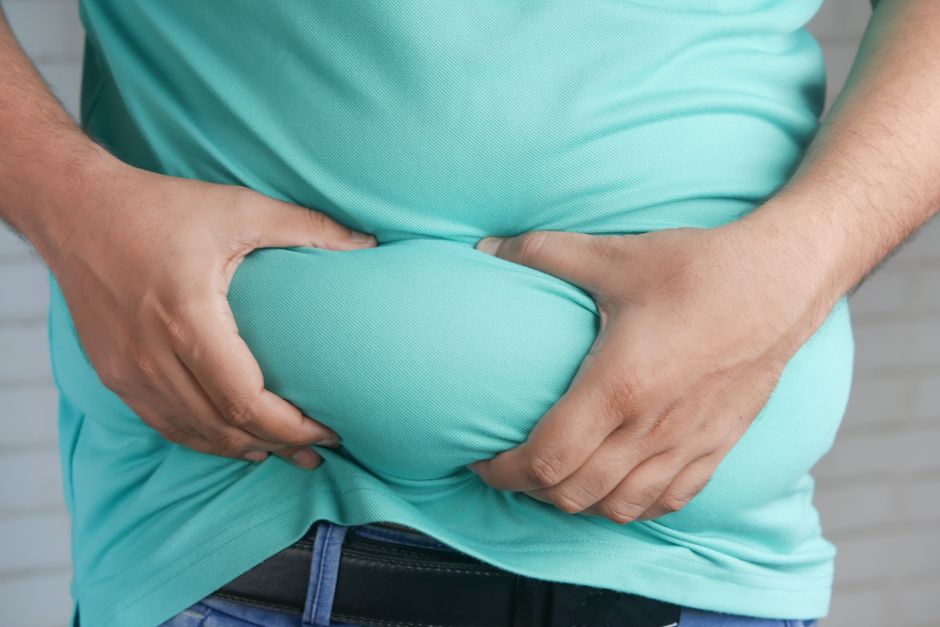
A safer weight-loss approach after 60 pairs a modest food-energy reduction with regular resistance, aerobic, and balance activity, while protecting protein intake and monitoring function. The aim is not the lowest scale number. It is less abdominal fat with strength, lean mass, and mobility kept in view. Frailty, osteoporosis, chronic illness, medication changes, or unplanned weight change call for clinical guidance first.
Why is it harder to lose weight after age 60?
Weight loss becomes harder after 60 because energy needs can change with age while muscle loss makes movement and daily tasks harder. The National Institute on Aging states that some older adults need more activity or fewer calories to maintain or reach a weight goal.
The scale tells only part of the story. The NIA also notes that an older adult at a normal weight can carry more fat and less muscle than someone who weighs more. A smaller body is not always a stronger body. Weight loss that ignores muscle can trade one problem for another.
Age-related muscle loss occurs at every body weight, according to the NIA. That changes the target: reduce excess fat without treating lean tissue as disposable. Strength, balance, walking tolerance, and ease with ordinary movement belong beside body weight in the picture.
The 2018 U.S. Department of Health and Human Services Physical Activity Guidelines set a useful frame: adults are advised to accumulate 150 to 300 minutes of moderate aerobic activity each week, and to do muscle-strengthening activity for major muscle groups on 2 or more days each week. For older adults, the same 2018 guidelines add balance work as part of multicomponent activity.
| Part of the plan | Evidence-based frame | Why it belongs |
|---|---|---|
| Aerobic movement | 150 to 300 weekly minutes of moderate activity, according to the 2018 Physical Activity Guidelines | Builds the aerobic part of a weight-loss plan. |
| Strength work | Major muscle groups on 2 or more days weekly, according to the 2018 Physical Activity Guidelines | Places muscle preservation in the plan, not after it. |
| Balance work | Included with aerobic and strengthening activity for older adults, according to the 2018 Physical Activity Guidelines | Keeps mobility in the same frame as fat loss. |
Walking, bicycling, swimming, dancing, gardening, and household chores all appear in the NIA's examples of accessible activity. The right form is the one a person's joints, balance, condition, and daily life allow. When the full target is out of reach, the 2018 guidelines say older adults with chronic conditions should be as active as their abilities and conditions allow.
How can I lose belly fat after 60 without extreme dieting?
Lose belly fat after 60 by combining a measured reduction in food energy with resistance and aerobic exercise, not by using an extreme diet that treats muscle as collateral damage. In a 2021 randomized trial of adults aged 65 or older with obesity, weight loss plus combined aerobic and resistance exercise reduced visceral abdominal fat by 36%, compared with 19% for aerobic exercise alone and 21% for resistance exercise alone.
The same 2021 trial found a 21% improvement in physical-performance score in the combined-exercise group. Lean-body-mass loss was 1.7 kilograms, or 3%, with combined training, compared with 2.7 kilograms, or 5%, with aerobic exercise alone. The pattern matters: aerobic work helps, resistance work protects, and the combination serves both goals.
That does not turn a hard restriction into a safe plan. The National Institute on Aging says there is insufficient evidence to recommend a particular calorie-restriction or fasting diet, especially for older adults. It also reports slight declines in bone density, lean body mass, and aerobic capacity with calorie restriction in CALERIE.
A practical sequence is plain. First, establish food intake that does not crowd out protein or needed nutrients. Then add tolerable aerobic movement and strength work. Then watch the signals that a scale cannot show: repeated difficulty rising, reduced walking tolerance, worsening balance, pain, exhaustion, or unplanned loss of weight.
Joint limitations change the delivery, not the goal. Cycling, swimming, and seated or supported strength movements can fit where long walks or high-impact work do not. New vigorous exercise and meaningful weight changes merit a conversation with a clinician, as the NIA advises. Food planning can also sit alongside other nutrition questions, such as what to eat for breakfast to get more iodine, without turning one nutrient goal into a crash diet.
A diet is not a test of will. It is a trade between energy, muscle, bone, and function.
How much protein do I need while losing weight after 60?
Older adults need at least 1.0 gram of protein per kilogram of body weight each day under the 2022 ESPEN geriatric nutrition guideline, with the final amount shaped by nutritional status, activity, disease, and tolerance. The guideline reports that expert groups suggest 1.0 to 1.2 grams per kilogram daily for healthy older people to support lean mass, body function, and health.
Illness changes the calculation. The 2022 ESPEN guideline describes 1.2 to 1.5 grams per kilogram daily for older adults with acute or chronic illness, while severe illness, injury, or malnutrition can require up to 2.0 grams per kilogram daily under individualized clinical care. Kidney disease, poor appetite, swallowing problems, digestive limits, and medication effects are reasons the answer needs a clinician or dietitian rather than a formula copied from a chart.
ESPEN also states that weight-reducing diets belong only in older people with obesity and weight-related health problems, and that they should be combined with physical exercise. It recommends routine screening for malnutrition. That is the guardrail: abdominal fat reduction is not the same thing as nutritional adequacy.
The 2018 Nutrients systematic review gives resistance training a central role. Across 6 randomized trials in older adults with obesity, programs performed 3 times weekly for 12 to 24 weeks during calorie restriction reduced 93.5% of calorie-restriction-related lean-body-mass loss, an estimated 0.819-kilogram difference. Fat loss and total weight loss did not differ significantly from calorie restriction alone.
Protein is the building material. Resistance work gives the body a reason to keep it.
Frequently Asked Questions
Should I lift weights while trying to lose weight in my 60s?
The evidence supports resistance exercise during calorie restriction when it is appropriate for the person's health and abilities. A 2018 Nutrients review found that resistance training during calorie restriction preserved substantially more lean mass than calorie restriction alone, while fat and total-weight losses remained similar. The 2018 Physical Activity Guidelines also recommend muscle-strengthening work involving all major muscle groups on 2 or more days each week.
How quickly is it safe for an older adult to lose weight?
The supplied evidence does not establish one safe weekly rate for every adult over 60. In a 2021 randomized trial, adults aged 65 or older with obesity lost about 10% of body weight across 6 months. Weight-change speed should be set with a clinician when frailty, osteoporosis, chronic disease, medication changes, or malnutrition risk are present.
Can calorie restriction cause muscle loss after 60?
Yes. The National Institute on Aging reports that calorie restriction caused slight declines in lean body mass in the CALERIE trial, and it says the evidence base for fasting and calorie-restriction diets does not transfer cleanly to older adults. A 2018 Nutrients meta-analysis found that adding resistance training during calorie restriction reduced most of the lean-mass loss seen with calorie restriction alone.
Sources
- National Institute on Aging: Maintaining a Healthy Weight
- U.S. Department of Health and Human Services: Physical Activity Guidelines for Americans, 2nd edition
- The Journals of Gerontology: Series A randomized trial
- Nutrients systematic review and meta-analysis
- ESPEN practical guideline: Clinical nutrition and hydration in geriatrics
- National Institute on Aging: Calorie Restriction and Fasting Diets
Disclaimer: This article is for general information only and is not medical advice. It is not a substitute for diagnosis or treatment by a qualified healthcare professional. Always speak to your doctor before acting on anything you read here.