
How to Get Rid of Sagging Lower Belly: What Works?
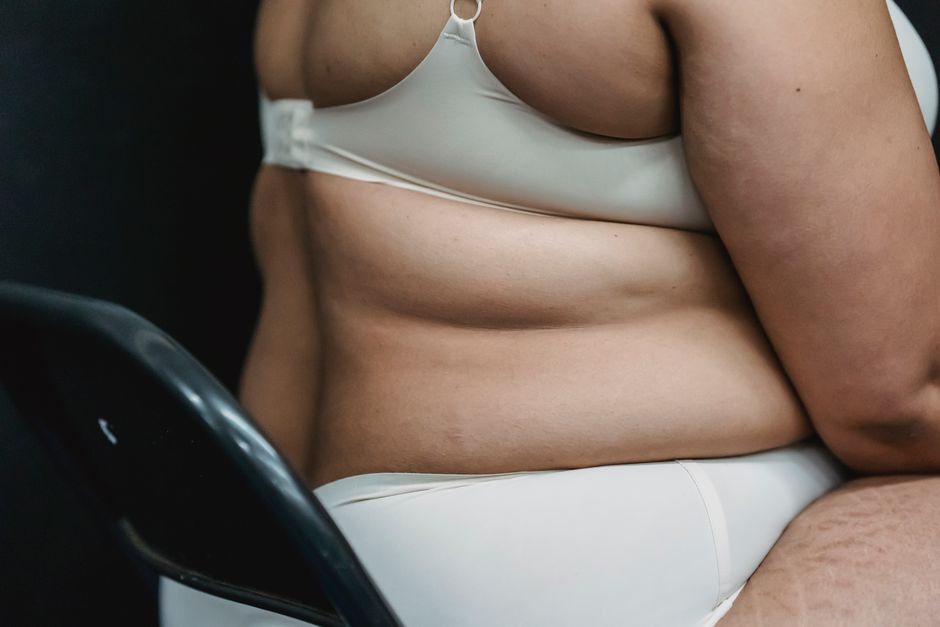
How to get rid of sagging lower belly depends on what is creating the overhang: excess fat, loose skin, or separated abdominal muscles. Fat responds to gradual overall fat loss, while exercise cannot remove loose skin or target belly fat alone. Muscle separation calls for appropriate core rehabilitation. A clinician can help identify the cause and discuss whether surgery is relevant.
Is my sagging lower belly caused by fat, loose skin, or separated abdominal muscles?
A sagging lower belly can come from fat, loose skin, diastasis recti, or more than one of these at once. The appearance alone does not establish the cause; the history and signs help guide the next step.
Fat is soft tissue beneath the skin and may change as overall body fat changes. The Cleveland Clinic explains that abdominal exercises strengthen the muscles but do not specifically target fat around the stomach. Spot reduction is not possible, so a high number of crunches will not selectively remove a lower-belly fold. For practical guidance on fat loss, see How to Get Rid of Lower Belly Fat Female: What Works?
Loose skin is a separate issue. It can remain after pregnancy or substantial weight loss, and the American Society of Plastic Surgeons lists aging, heredity, pregnancy, prior surgery, and massive weight loss among common causes of excess abdominal skin and fat. The available sources do not provide a reliable way to distinguish skin from fat by appearance alone, nor do they give a general timeline for skin tightening.
Diastasis recti is separation of the abdominal muscles along the midline. The Cleveland Clinic describes signs such as a midline bulge or doming, a soft area near the navel, back pain, poor posture, and difficulty with everyday tasks. A healthcare provider can assess the gap; the Clinic considers a gap wider than 2 centimeters to be diastasis recti. A bulge can reflect muscle separation even when fat loss is not the main answer.
Pregnancy-related separation is common. The NHS says it usually returns to normal by around eight weeks after birth. Leeds Teaching Hospitals NHS Trust reports that up to one third of women still have separation 12 months after giving birth, which is why a persistent bulge deserves assessment rather than guesswork.
Can exercise tighten loose skin on my lower belly?
Exercise can strengthen the abdominal muscles, but it does not remove loose skin or selectively burn the fat beneath it. This distinction matters: stronger support can improve function and posture, while the skin fold itself can remain.
For fat loss, the Cleveland Clinic recommends a broad activity pattern of 150 minutes per week of moderate-intensity aerobic activity and two to three strength-training sessions per week. Pairing regular activity with sustainable nutrition supports overall fat loss; no abdominal routine can direct the body to lose fat from one chosen area. These activity figures are general guidance from the source, not a postpartum clearance plan.
Strength training can help build and maintain muscle as body weight changes. The Cleveland Clinic also reports that losing 5% to 10% of body weight can improve measures including blood pressure, blood sugar, and cholesterol. That finding concerns health measures; it does not promise a particular change in belly shape or loose skin.
When separation is present, the goal shifts from “tightening” skin to restoring control and support. The NHS recommends pelvic-floor and deep-stomach exercises after birth, while the Cleveland Clinic says deep-abdominal exercises and gradual, supervised progression may help diastasis recti. A physiotherapist can tailor exercises to the gap and symptoms.
Which exercises can help a lower belly overhang, and which might make it worse?
Exercises that build deep abdominal control can help when muscle separation or reduced support contributes to the overhang; movements that make the abdomen dome or bulge can worsen separation. The correct choice depends on whether you are postpartum and whether a clinician has assessed the gap.
After birth, the NHS advises starting with pelvic-floor and deep-stomach exercises and avoiding sit-ups, planks, high-impact exercise, heavy lifting, and straining at first. This is early postpartum guidance, not a permanent ban on those activities. Progress should be gradual and based on recovery and professional advice.
The Cleveland Clinic specifically warns that movements causing abdominal bulging—including crunches and sit-ups—can worsen separation. Leeds Teaching Hospitals NHS Trust also advises avoiding exercises that cause bulging and notes that a visible peak when sitting up, getting out of bed, or getting out of a bath can signal separation. Stop a movement that produces doming and ask a physiotherapist for a suitable progression.
A practical sequence is to establish comfortable breathing and deep-core control, then build difficulty only while the abdomen stays controlled. This approach addresses muscle function; it does not spot-reduce fat or remove loose skin. If the bulge persists, a provider can measure the gap and prescribe a specialist programme.
When can surgery enter the discussion?
When a hanging fold of skin and fat remains, surgery is the option among these sources that directly removes it. The American Society of Plastic Surgeons says panniculectomy removes hanging skin and fat from the lower abdomen. It typically does not tighten the abdominal muscles, unlike a tummy tuck.
Panniculectomy is not a substitute for weight loss or exercise. The Society advises postponing it when substantial weight loss is planned because major weight fluctuations can diminish results. A consultation can clarify whether the main concern is excess skin, muscle separation, or both, and what procedure would address it. The sources provided do not establish individual eligibility, costs, risks, or recovery times.
Frequently Asked Questions
How long can loose belly skin take to improve after weight loss or pregnancy?
The provided sources do not give a general timeline for loose skin to improve after weight loss or pregnancy. The NHS says pregnancy-related abdominal muscle separation usually returns to normal by around eight weeks after birth, but that is a muscle timeline, not a promise about skin.
Can I reduce a sagging lower belly without surgery?
Yes, when excess fat or reduced abdominal support contributes, overall fat loss and suitable strength training can help change the area. Exercise does not remove loose skin or target fat in one spot, so a remaining skin fold may need a medical discussion if it causes problems.
When should I see a doctor or physical therapist about a lower belly bulge?
After birth, contact a GP if abdominal separation remains obvious at eight weeks, as the NHS advises. A visible midline bulge, persistent separation, back pain, poor posture, or difficulty with everyday tasks are reasons to ask a healthcare provider about assessment and physical therapy.
Sources
Related reading
How to Get Rid of Lower Belly Fat Female: What Works?
Lower-belly fat loss comes from sustainable overall habits, not targeted crunches; hormones, age, genetics, and health also affect results.
How Can Men Get Rid of Belly Fat?
Men can reduce belly fat with a sustainable calorie deficit, strength training, aerobic activity, and realistic progress tracking.

Can Certain Foods or Diets Lower Cancer Risk?
What research says about cancer and diet, including plant-rich patterns, processed meat, soy and sugar—and why no single food is a proven cure.

Choose the Right AI App Builder for Your First MVP
A practical framework for choosing Lovable, Bolt, Replit, or v0 for a prototype, web MVP, native mobile app, or developer handoff.