
How Can Men Get Rid of Belly Fat?

To get rid of belly fat, men need a sustainable calorie deficit alongside full-body strength training and regular aerobic activity; crunches alone cannot reliably remove fat from one area. Track food, activity, sleep, weight trends, and waist measurements, then adjust manageable habits over time. The CDC says gradual loss of about 1–2 pounds a week is more likely to last than faster loss.
Can men target belly fat with crunches or sit-ups?
No: crunches and sit-ups can train abdominal muscles, but they do not reliably direct the body to burn fat from the belly. Fat loss comes from an overall change in energy balance, and the body determines where it comes off first.
There is a useful nuance. A small 10-week randomized trial of 16 overweight men compared abdominal endurance exercise with treadmill running at matched energy expenditure. Both groups reduced waist circumference by about 5 cm, with no significant difference between groups; the abdominal-exercise group also reduced trunk fat mass by 7%, while the treadmill group did not. The trial, published in 2023 in Physiological Reports, is too small to establish crunches as a dependable belly-fat strategy or a replacement for overall fat loss.
Also distinguish the fat you can pinch under the skin from visceral fat, which sits around the organs. Waist circumference is a practical measure that takes belly fat into account, though it does not identify exactly how much fat is visceral. The CDC says a waist over 40 inches for men is associated with higher health risk; its measuring method is to place a tape around the middle just above the hip bones and measure after breathing out.
What should I eat to lose belly fat without losing muscle?
Build meals around a manageable calorie deficit and an eating pattern you can maintain; avoid a short-term crash plan that is difficult to repeat. The CDC’s weight-loss guidance emphasizes gradual progress, healthy eating, physical activity, adequate sleep, and stress management. It also recommends tracking food and beverages to identify practical adjustments.
Start with an honest record of what you eat and drink, including alcohol, snacks, cooking additions, and weekend meals. If weight and waist trends are not moving over time, the record can reveal portions or drinks that are easy to overlook. Alcohol is worth tracking as a beverage and a source of calories, but the provided research does not quantify how much a particular person must reduce it.
Keep resistance training in the plan while losing weight. The U.S. Department of Health and Human Services’ Physical Activity Guidelines say combining calorie restriction with physical activity tends to be more beneficial for weight loss than either approach alone, and strength training can help maintain lean body mass. These sources do not specify an individual calorie target or protein amount, so the practical focus is a repeatable eating pattern plus consistent training rather than a fabricated universal prescription.
Use the CDC’s pace as a reference, not a deadline: its 2024 weight-loss guidance says about 1–2 pounds per week is more likely to be maintained than faster loss. The same guidance notes that a 5% reduction in body weight can improve some health risks—for someone weighing 200 pounds, that is 10 pounds. Those figures describe general guidance, not a guarantee for any individual.
Is cardio or weight training better for losing belly fat?
Neither is a complete substitute for the other: aerobic activity supports energy expenditure and waist reduction, while resistance training helps preserve lean mass during weight loss. A combined approach covers more of the job than relying on only one exercise mode.
A systematic review and network meta-analysis of 84 randomized controlled trials involving 4,836 participants with overweight or obesity found that aerobic exercise, resistance training, combined training, and high-intensity interval training were each beneficial for reducing visceral adipose tissue. It also found resistance training associated with improved visceral-fat outcomes in male subgroups. The Obesity Reviews analysis indexed by PubMed also reports benefits across several exercise types for waist circumference and subcutaneous fat.
For a straightforward starting setup, schedule full-body resistance sessions and add walking, cycling, or another aerobic activity that fits your routine. The CDC’s guidance for adults includes at least 150 minutes of moderate activity or 75 minutes of vigorous activity weekly, alongside strength training on 2 or more days. The goal is a repeatable schedule, not a perfect workout split.
If the waist is your main progress measure, aerobic activity has direct supporting evidence: a 2022 systematic review and meta-analysis of 25 randomized trials with 1,686 adults found aerobic exercise reduced waist circumference by an average of 3.2 cm compared with control. Results varied across studies, and that average is not a personal forecast. Read the Obesity Reviews meta-analysis indexed by PubMed for the study findings.
How much exercise do I need to reduce belly fat?
Use the national weekly activity targets as a baseline, then build gradually and assess the trend. The U.S. Department of Health and Human Services recommends 150–300 minutes of moderate-intensity aerobic activity, or 75–150 minutes of vigorous activity, or an equivalent combination each week, plus muscle-strengthening activities for all major muscle groups on at least 2 days.
The guidelines also note that some people may need more than 150 minutes weekly to lose weight or maintain weight loss; some may need the equivalent of 300 or more minutes of moderate activity. These are population guidelines, not a promise that a set number of minutes will produce a specific waist change. A useful progression is to begin with a schedule you can sustain and add activity if your tracking shows that consistency is not enough to move the trend.
Make tracking operational. The CDC recommends noting food and beverages, physical activity, sleep, and stress to identify barriers. Record your weight under consistent conditions and compare trends rather than reacting to one reading; measure waist the same way each time. When progress stalls, check whether activity has become inconsistent, portions have drifted upward, sleep or stress has changed, or the plan has become too difficult to maintain.
For a broader discussion of how fat loss and muscle retention fit together at a different life stage, see How Can I Lose Belly Fat After 60 Without Losing Muscle?
Frequently Asked Questions
Why is my stomach fat the last to go even though I’m losing weight?
Fat loss does not happen evenly across body areas, so a shrinking overall weight trend can occur before the waist changes much. Track waist circumference over time as well as weight; the CDC notes that waist measurement captures belly fat in a way BMI does not.
How can I tell whether I’m losing belly fat if the scale barely changes?
Measure your waist consistently with a tape around the middle, just above the hip bones, after breathing out, as the CDC describes. Also compare weight trends and strength over time; a single scale reading cannot show where body composition is changing.
How long does it usually take for men to notice a smaller waist?
There is no single timeline in the cited evidence because results vary with starting point, habits, and consistency. The CDC describes gradual loss of about 1–2 pounds weekly as more likely to be maintained, but waist changes should be tracked rather than promised by a deadline.
Sources
- Centers for Disease Control and Prevention, Losing Weight
- Centers for Disease Control and Prevention, Healthy Weight
- U.S. Department of Health and Human Services, Physical Activity Guidelines for Americans
- Obesity Reviews, aerobic exercise meta-analysis
- Obesity Reviews, exercise network meta-analysis
- Physiological Reports, abdominal exercise trial
Disclaimer: This article is for general information only and is not medical advice. It is not a substitute for diagnosis or treatment by a qualified healthcare professional. Always speak to your doctor before acting on anything you read here.
Related reading
How to Get Rid of Lower Belly Fat Female: What Works?
Lower-belly fat loss comes from sustainable overall habits, not targeted crunches; hormones, age, genetics, and health also affect results.
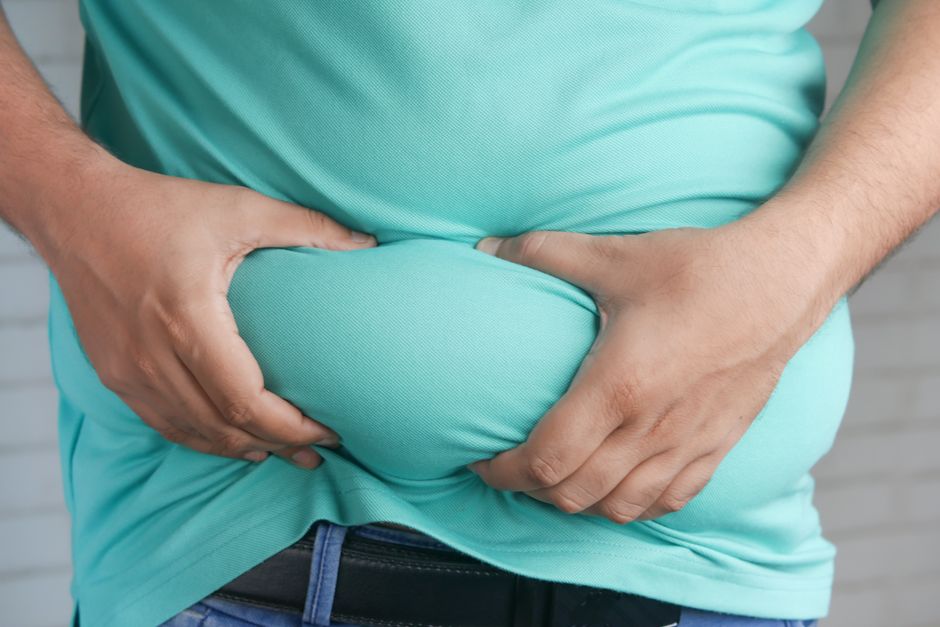
How Can I Lose Belly Fat After 60 Without Losing Muscle?
A practical evidence-based guide to reducing abdominal fat after 60 while preserving muscle, strength, balance, and mobility.
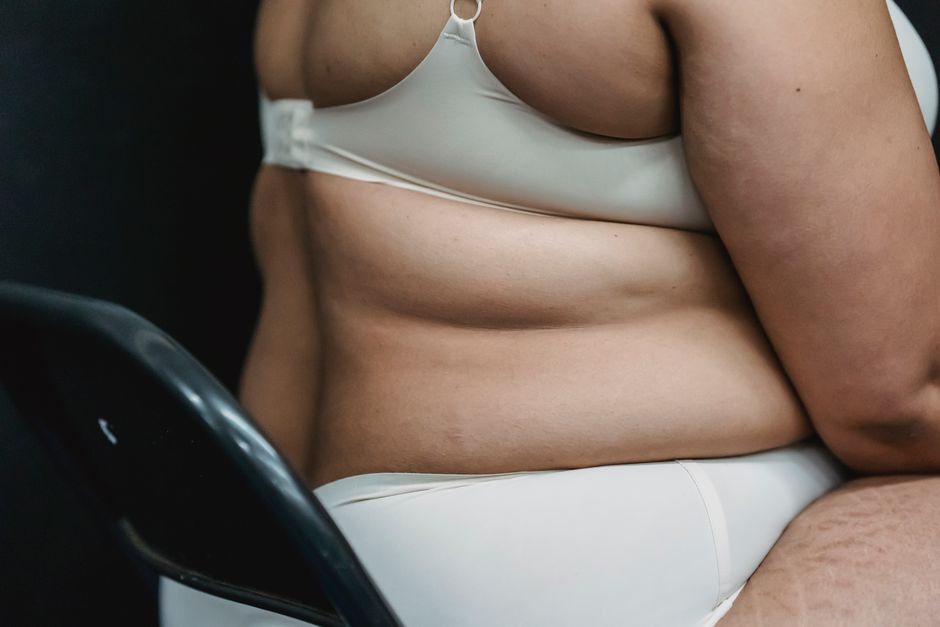
How to Get Rid of Sagging Lower Belly: What Works?
How to get rid of sagging lower belly depends on whether fat, loose skin, or separated abdominal muscles cause the overhang.
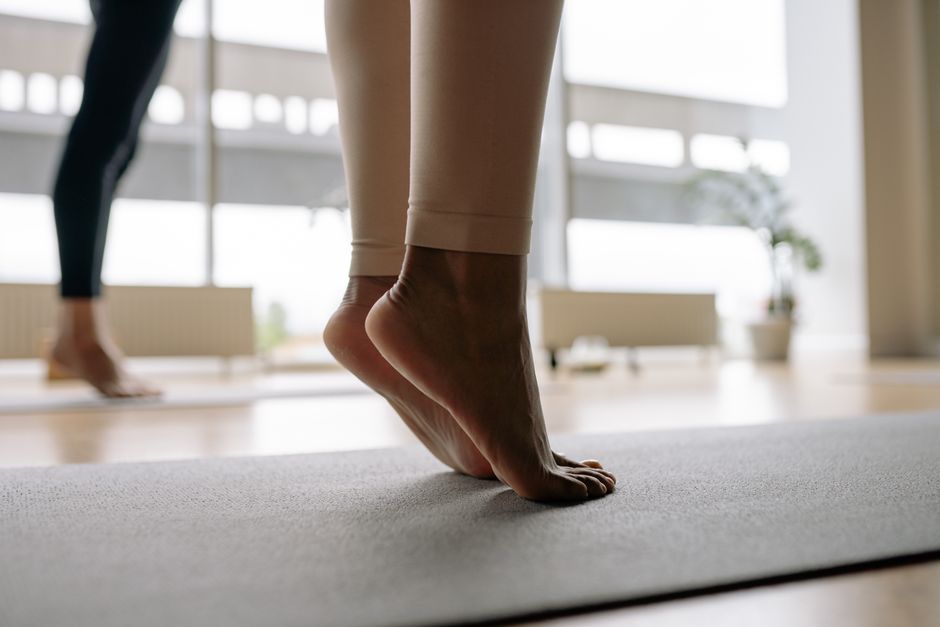
How Can I Strengthen My Arches and Toes Without a Balance Board?
A practical guide to short-foot, toe, and calf exercises that build stronger, steadier feet without balance-board workouts.