
How to Get Rid of Lower Belly Fat Female: What Works?
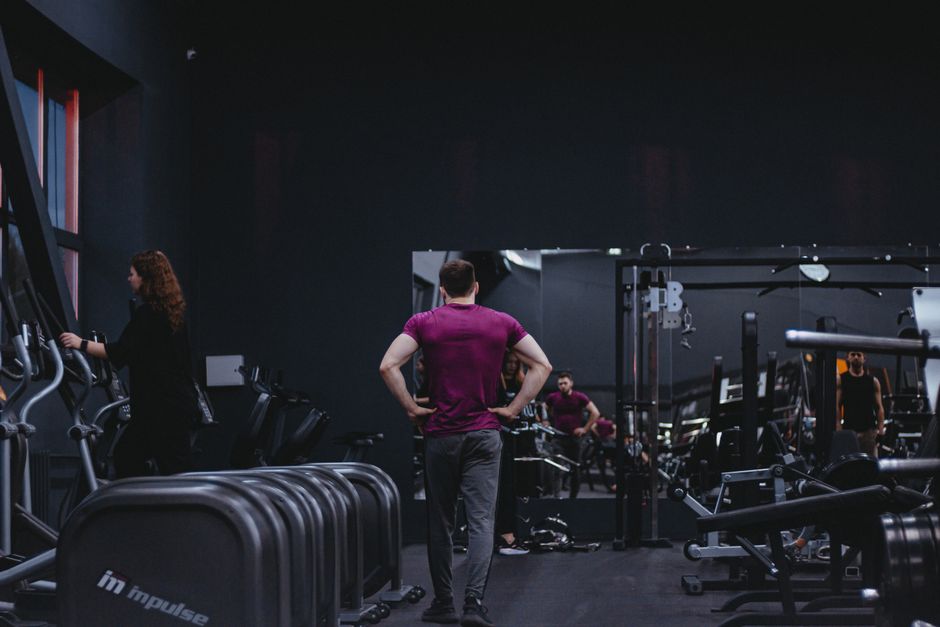
To understand how to get rid of lower belly fat female, focus on sustainable overall fat loss rather than trying to target one area: crunches can strengthen abdominal muscles, but they do not reliably reduce belly fat on their own. Eating patterns, regular activity, strength training, sleep, and stress management all matter, while genetics, hormones, age, and other factors affect where fat is stored and how it changes.
Can exercises like crunches or leg raises specifically burn lower belly fat?
No. Exercises that work the abdominal muscles can improve their strength or endurance, but they do not selectively burn the fat covering them. That distinction matters: a stronger core can be a useful training result even when the mirror or waist measurement does not change.
A randomized study published in the Journal of Strength and Conditioning Research and indexed by PubMed assigned 24 sedentary adults to abdominal exercise or no exercise. The exercise group performed seven exercises for two sets of 10 repetitions, five days a week, for six weeks. Curl-up performance improved, but body weight, body-fat percentage, abdominal circumference, and abdominal fat measures did not significantly change. The takeaway is practical: use crunches and leg raises as muscle training, not as a stand-alone lower-belly fat-loss plan. Read the study summary on PubMed.
Abdominal work can still fit into a balanced routine. It trains the muscles beneath the area and may support core function, while aerobic activity and full-body strength training address broader fitness. None of those exercises can promise where fat will come off first.
Why does lower belly fat seem to be the last area to change for some women?
Lower-belly fat may seem slower to change because fat distribution differs between people and is influenced by multiple interacting factors, not simply exercise choice. A review in Biomedicines, available through PubMed Central, describes sex, age, genetic variability, hormones, and environment as influences on fat depots; it also notes that distribution can shift across life stages, including pregnancy and menopause.
This means two people following similar routines may see different patterns of change. Abdominal exercises do not override those influences, and a specific timeline or order of fat loss cannot be inferred from the sources. A better progress check is whether habits are consistent and whether broader measures are moving in a sustainable direction, rather than demanding a particular body part change first.
The CDC also lists medicines, medical conditions, stress, genes, hormones, environment, and age among factors that can affect weight management. If weight or medication concerns are part of the picture, it recommends seeking advice from a health professional. The aim is a workable plan, not an increasingly restrictive response to one stubborn area.
What combination of eating habits, strength training, and cardio supports overall fat loss?
A sustainable approach combines healthy eating patterns, regular activity, enough sleep, and stress management; there is no single exercise that guarantees localized fat loss. The CDC describes these as parts of healthy weight loss and emphasizes setting specific, realistic goals rather than chasing rapid results.
For activity, federal guidelines recommend adults get 150–300 minutes of moderate-intensity aerobic activity each week and muscle-strengthening activity on at least two days, according to the U.S. Department of Health and Human Services Office of Disease Prevention and Health Promotion. These are health guidelines, not a promise of a specific amount of weight loss. People who are inactive can start with smaller amounts and build up over time.
Make the plan concrete without turning it into a punishment: choose regular meals that support a healthy eating pattern, schedule aerobic activity you can repeat, and include strength work across the week. The CDC says gradual weight loss of about 1–2 pounds per week is more likely to be maintained than faster loss, but that is a general benchmark, not a target every person must hit. The right pace and approach can vary with health, medications, stress, age, and other circumstances.
Consistency is easier when meals help manage hunger. For a practical companion on that narrow question, see What Should I Eat Mid-Morning to Stay Full While Losing Fat? Keep the measure of success broader than a lower-belly change: routines you can sustain matter, and one body area may not reflect the whole picture.
How can I tell whether my lower-belly appearance is fat, bloating, or loose skin?
Appearance alone cannot reliably identify whether a lower-abdominal change is fat, bloating, or loose skin, so notice how it changes and whether symptoms accompany it. NIDDK distinguishes bloating—the feeling of fullness or swelling—from distention, when the abdomen becomes larger than usual; only about half of people who experience bloating also have distention.
Gas-related bloating or distention can be normal, especially during or after meals. A belly that varies through the day may therefore involve digestive changes, not just a change in body fat. By contrast, the supplied sources do not provide a method for diagnosing loose skin at home or separating it precisely from fat by appearance. Avoid treating every change in contour as proof that a fat-loss plan has failed.
NIDDK advises talking with a doctor if gas symptoms are bothersome, change suddenly, or occur with abdominal pain, constipation, diarrhea, or weight loss. ACOG recommends contacting an ob-gyn about bloating or increased abdominal size, pelvic or abdominal pain, difficulty eating or feeling full quickly, or urinary symptoms—especially if these occur for more than 12 days per month. ACOG notes that such symptoms do not necessarily mean cancer; the reason to seek assessment is to find out what is causing them.
Frequently Asked Questions
How long should I follow a sustainable plan before judging whether it is working?
The available sources do not establish one review period that fits everyone. Track consistent habits and trends over time rather than judging by a single day or one measurement; the CDC says gradual loss is more likely to be maintained than faster loss, but its general benchmark is not a required rate for every person.
Is it healthy or realistic for every woman to eliminate a small lower-belly pooch?
No. Fat distribution varies with factors including age, genetics, hormones, and life stages, and abdominal exercises cannot determine or guarantee a particular appearance. A small lower-abdominal curve does not by itself show that a person has failed or needs more aggressive weight loss.
When should I ask a clinician about abdominal changes or weight-loss advice?
Talk with a doctor if gas symptoms are bothersome, change suddenly, or occur with abdominal pain, constipation, diarrhea, or weight loss. ACOG also advises contacting an ob-gyn about persistent bloating or increased abdominal size, pelvic or abdominal pain, feeling full quickly, or urinary symptoms, especially when they occur for more than 12 days per month.
Sources
- Journal of Strength and Conditioning Research via PubMed
- Centers for Disease Control and Prevention (CDC)
- U.S. Department of Health and Human Services, Office of Disease Prevention and Health Promotion
- The Sexual Dimorphism of Human Adipose Depots, Biomedicines via PubMed Central
- National Institute of Diabetes and Digestive and Kidney Diseases (NIDDK)
- American College of Obstetricians and Gynecologists (ACOG)
Disclaimer: This article is for general information only and is not medical advice. It is not a substitute for diagnosis or treatment by a qualified healthcare professional. Always speak to your doctor before acting on anything you read here.
Related reading
How Can I Lose Belly Fat After 60 Without Losing Muscle?
A practical evidence-based guide to reducing abdominal fat after 60 while preserving muscle, strength, balance, and mobility.
Can Certain Foods or Diets Lower Cancer Risk?
What research says about cancer and diet, including plant-rich patterns, processed meat, soy and sugar—and why no single food is a proven cure.
What Should I Eat Mid-Morning to Stay Full While Losing Fat?
Build a filling mid-morning snack with protein and fiber, or skip it when you are not hungry. Practical portions and portable ideas included.
How Can I Strengthen My Arches and Toes Without a Balance Board?
A practical guide to short-foot, toe, and calf exercises that build stronger, steadier feet without balance-board workouts.